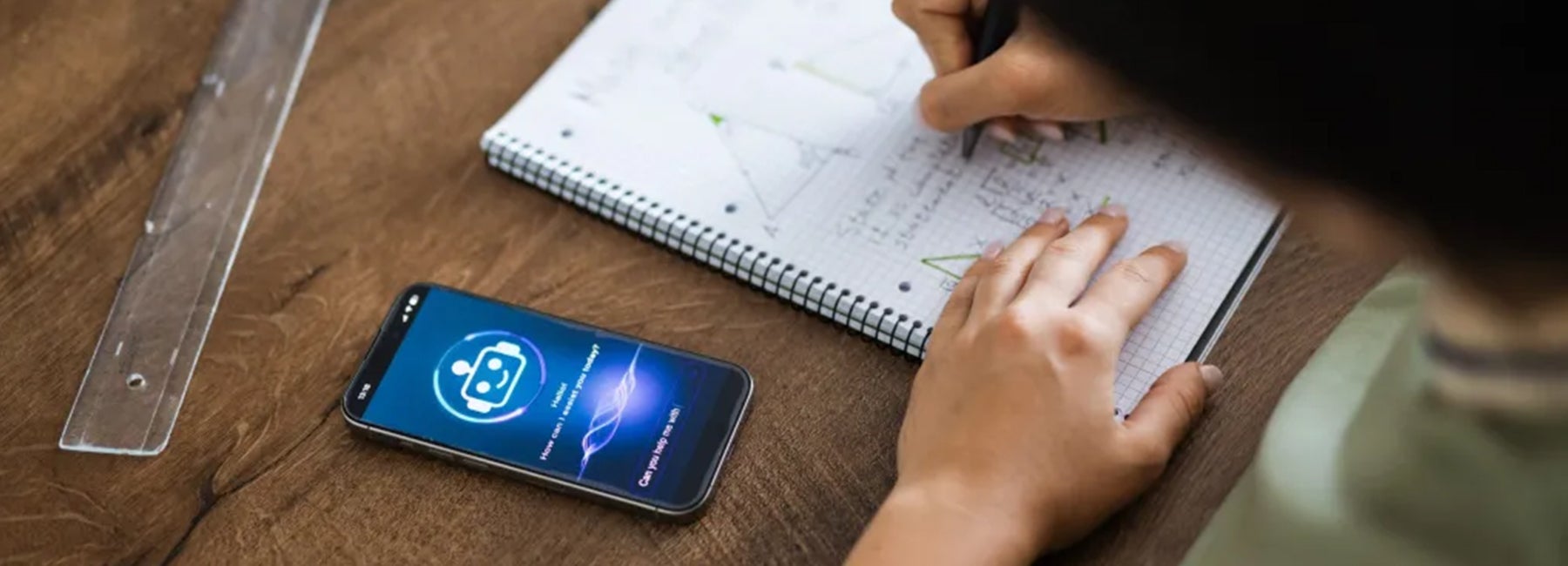



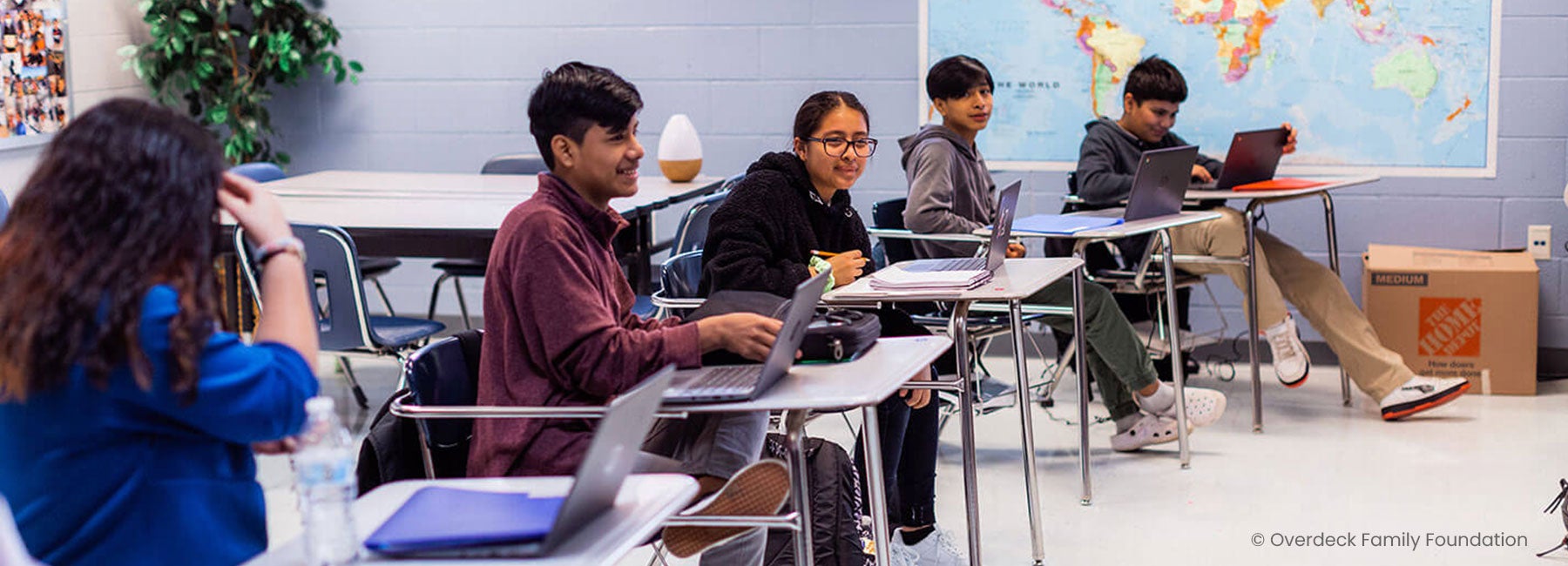



If you want a glimpse into cutting-edge research on artificial intelligence in education, look to Jing Liu, director of the Center for Educational Data Science and Innovation at the University of Maryland. Two studies released in October offer a striking and enlightening contrast. One hinted that a little AI-powered math practice might help struggling middle schoolers improve their skills. The other found that an AI assistant undermined college students’ engagement and hurt their grades.
Liu wanted the studies to be released together, he told me, to show that AI in education is neither “all good” nor “all bad.” The field is still figuring out how to design tools that improve learning over time. And that means studying not just the technology, but also how students respond to it — including in ways its creators never intended.